BCI World 2026 Preview: Turning Executive Support into Executive Ownership
One of the greatest challenges facing resilience professionals is not understanding risk, but ensuring that senior leaders understand its importance.
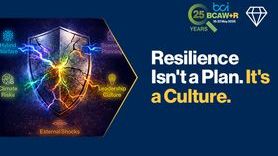
At BCI World Hybrid 2026, Scott Gould, founder of Ampersand and a recognised expert in engagement and influence, will explore how practitioners can move senior leaders from passive supporters to active champions of resilience. In his presentation, Strategies for Engaging the C-Suite and Board, Scott will introduce practical techniques for gaining buy-in, building influence and motivating executives to fulfil their strategic and governance responsibilities and explore how resilience professionals can build the "relational capital" needed to influence decision-makers and secure lasting support.
Why Executive Buy-In Matters
The importance of leadership engagement is a theme that runs throughout resilience good practice. Effective resilience programmes require more than operational expertise. They need direction, sponsorship and commitment from the highest levels of the organization.
This was the focus of the BCI's paper, ‘Making Resilience Matter at Leadership Level: Advice for Public Sector Practitioners’, which examined how resilience professionals successfully gain attention and support from senior decision-makers.[1]
Drawing on insights from public sector practitioners around the world, the research found that while leadership often recognises the importance of resilience, practitioners are most successful when they connect resilience directly to issues that matter most to senior executives.
Practitioners identified effective ways of capturing leadership attention which included highlighting compliance and regulatory risks, demonstrating cost savings, and aligning with strategic objectives.
Highlighting compliance and regulatory risk is a popular way to raise a profile. Resilience is not only a matter of good practice. Regulatory requirements, governance expectations and public accountability increasingly make resilience a leadership responsibility. By clearly demonstrating regulatory obligations, potential compliance gaps and the consequences of failing to meet expectations, practitioners can position resilience as a board-level issue rather than an operational concern.
Demonstrate cost savings and business value is another top suggestion to gain senior leader attention as senior leaders are often required to balance competing priorities and finite resources. As a result, resilience initiatives are more likely to gain support when they are linked to tangible business outcomes. Practitioners also recommend demonstrating the financial impact of disruption, recovery costs, operational downtime and reputational damage. Equally important is highlighting how resilience investments can reduce losses, improve efficiency and protect long-term organizational performance.
Another effective approach is showing how resilience supports the organization's wider mission and goals. Whether the priority is growth, service delivery, digital transformation, customer confidence or operational excellence, resilience can be positioned as an enabler rather than a standalone function. When leaders see resilience contributing directly to strategic objectives, engagement often becomes easier to achieve and maintain.
From Awareness to Ownership
The research suggests that gaining executive support is only the first step. The ultimate goal is creating genuine ownership, where leaders view resilience not as someone else's responsibility but as an integral part of organizational success. These themes sit at the heart of Scott Gould's upcoming session, which will provide practical guidance on engaging senior stakeholders, creating influence, and securing meaningful executive involvement.
Join the Conversation at BCI World Hybrid 202
As resilience expectations continue to grow, but budgets remain static, the ability to engage senior leaders has become just as important as the ability to identify and manage risk.
Join us at BCI World Hybrid 2026 to discover how stronger relationships, better communication and a clear focus on business value can help transform executive support into executive ownership of resilience
More on
About the author

Rebecca Mathews
Content Manager, The BCI