
Strengthening Organizations: BCI's Resilience Framework Edition 1.0 Launches at BCI World Hybrid 2024
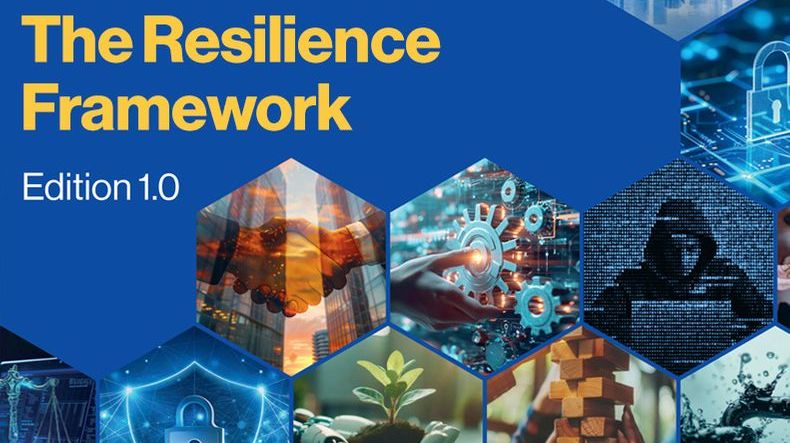
The BCI is pleased to announce the release of the Resilience Framework at BCI World Hybrid 2024
The BCI has produced the Resilience Framework Edition 1.0 by drawing on the knowledge of a panel of experts with decades of experience. It marks the first time such a framework has been developed.
It offers a strategic structure that organizations can use to enhance their resilience via eight core principles, which are followed by a framework cycle that provides a structure for using the core principles in organizational settings. This guidance is aimed at senior management to help lead and guide resilience development and management. It can also be used by practitioners to inform and influence top management across all global regions and sectors.
Why a resilience framework is needed now
The nature of professional practice in the industry is changing at a fast pace on a global scale, with numerous and varied challenges that create increasing risks and threats to organizations. The BCI believes it is time for a clear definition of what resilience is and to determine the universal core principles that make something ‘resilient’ within a business and organizational setting.
David Thorp, BCI Executive Director said:
“The BCI’s remit is to lead the way into resilience and the Resilience Framework is an important aspect of our commitment to this. There has long been a need for straight-forward, clear, strategic guidance covering resilience development and management: and this document provides just that. The Resilience Framework is not directive – it does not detail specific solutions for developing resilience; instead, it provides eight Core Principles that inform resilience excellence. It also combines these into the Resilience Framework Cycle, which provides a structured way to implement the Core Principles.”
Who is the framework for?
The framework is a strategic guidance document aimed at top management and organizational leaders in order to help implement and improve organization-wide resilience structures. It can also be used by middle management, and those effecting programmes, to promote the merits of strong resilience plans upwards to board level.
One of the core aims was to ensure that the guidance applied to all sizes and types of organizations operating in any sector anywhere in the world. This has been achieved by focusing on universal strategic principles that underpin the development of resilience.
To better reflect the changing practices of our dynamic and fast-moving industry, and to ensure it leads the way in strategic resilience management, this framework is a living document that will be annually reviewed to maintain its strategic leadership role.
Framework overview
The framework is founded on the idea that “resilience is the key objective of all protective processes carried out by organizations” and it draws on existing good practice, such as the UK Government’s Organizational Resilience Guidance and the processes found within relevant international standards to achieve its aims.
Part One of the framework sets out eight core principles that establish a baseline for all resilience development and management activities, including ‘Resilience is led from the top’ and ‘Take a risk-based approach’. These fundamental values will guide organizational decision making and resulting actions.
These defining core principles are followed by Part Two, which delves into how businesses and organizations can apply the core principles in a structured, practical manner to build or enhance their resilience programs.
Follow the link below to obtain your copy of the Resilience Framework.
More on